CARE FOR LIVER...


                            Special consideration for LIVER is nowadays a serious health matter. Every people give special attention to liver regarding diet, alcoholic drinks... As a doctor you have to meet  many people in your clinic who ask you question to save liver. Here you can read some important basic points regarding care for liver.
                             Protein deficiency produces liver necrosis. Caseinogen of milk, animal proteins ( rich in methionine ) in diet prevent fatty liver necrosis.
Proteins and aminoacids are useful in preventing liver damage; but administration in acute liver failure & hepatic coma is harmful.

             Intravenous or oral administration of aminoacids or protein hydrolysates shouldnot be done when liver is severely damaged. Deposition of fat in liver cells is a manifestation of dietary protein deficiency or toxic injury to liver.
             Glucose is stored in body as glycogen in liver. Glycogen protects livercells against damaged.In severe liver damage when proteins & fat cannot be given; carbohydrates are useful to meet calorie need and for protection of liver.
             Oral potassium supplement in the form of fruit juice may be required during diuretic therapy in cirrhosis, because of its loss in urine.

Injury to liver by toxic agents and deficiency states is enhanced by simultaneous administration of alcohol. Alcohol supplies calorie that cannot be stored in liver as glycogen. Alcohol also has its direct action in lipid metabolism in liver.

 Stomach irritation by alcohol reduces appetite and food intake. Nutrient deficiencies make the liver vulnerable to infections and toxins.In malnourished patients , consumption of alcohol produces acute liver damage & jaundice that resemble virus jaundice. 


TODAY’S SPECIAL...

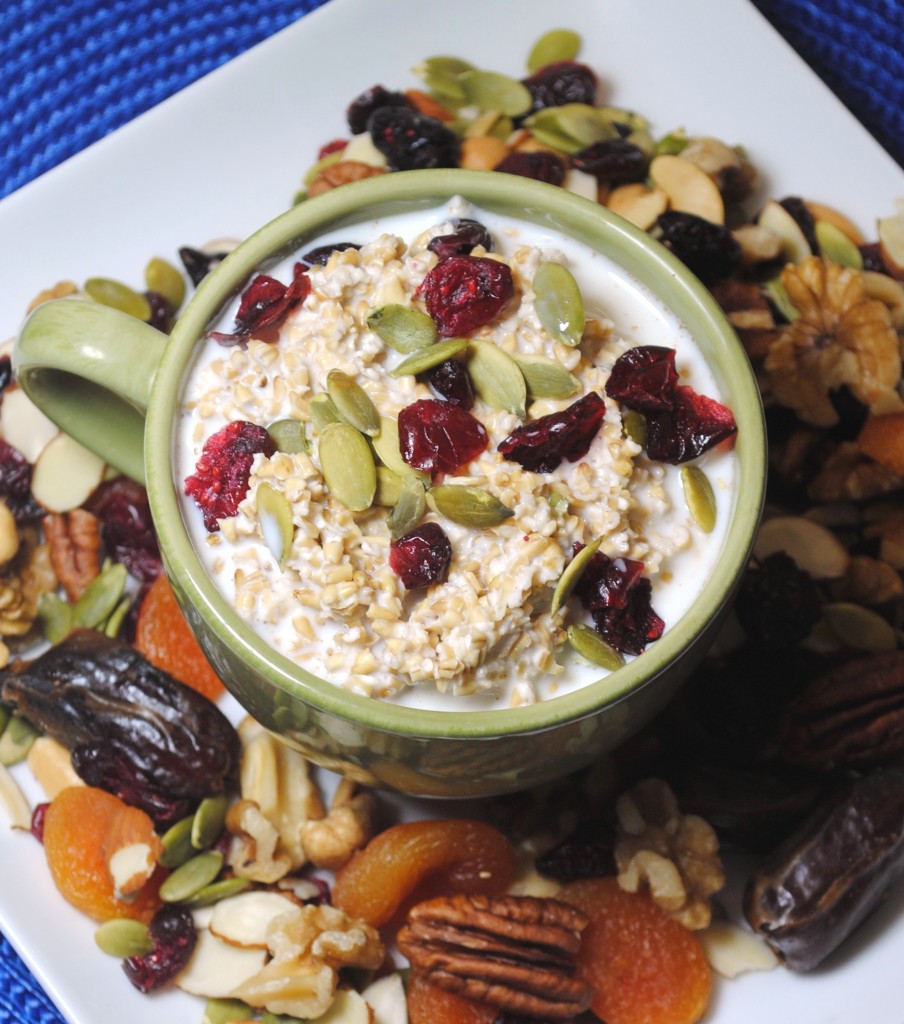
OATS 


             Synonyms: Avena, Avena Fructus, Avena orientalis, Avena sativa, Avena volgensis, Avenae Herba, Avenae Stramentum, Avoine…

Oat is a plant. People use the seed (oat), leaves and stem (oat straw), and bran (the outer layer of whole oats) to make medicine.
Oat bran and whole oats are used for high blood pressure; high cholesterol; diabetes; and digestion problems including irritable bowel syndrome (IBS), diverticulosis, inflammatory bowel disease (IBD), diarrhea, and constipation. They are also used for preventing heart disease, gallstones, colon cancer, and stomach cancer.
People use oats for
joint pain (rheumatism), fatigue, a fatigue-related condition called neurasthenia syndrome, withdrawal from nicotine and narcotics, and lowering high uric acid levels that can cause gout. Oats are also used for anxiety, excitation and stress; as well as for weak bladder and kidney ailments. Other uses include connective tissue disorders, skin diseases, fat redistribution syndrome associated with HIV treatment, and as a tonic.

Oat straw is used for the flu, swine ( H1N1) flu, coughs, bladder disorders, joint pain, eye ailments, frostbite, gout, and a skin infection called impetigo.       

Topically, oats are used for skin conditions including itchiness, dryness, oiliness, weeping eczema, and contact dermatitis. Oats are also applied to the skin for chicken pox, osteoarthritis, liver disorders, and added to foot baths for chronically cold or tired feet.
In foods, oats are used as a grain or cereal.
In manufacturing, oats are included in some bath products and soaps. 

How does it work?Oats might help reduce cholesterol and blood sugar levels and control appetite by causing a feeling of fullness. Oat bran might work by blocking the absorption from the gut of substances that contribute to heart disease, high cholesterol, and diabetes. Oatmeal is full of soluble fiber, which we know lowers LDL levels. Experts aren't exactly sure how, but they have some ideas. When you digest fiber, it becomes gooey. Researchers think that when it's in your intestines, it sticks to cholesterol and stops it from being absorbed. So instead of getting that cholesterol into your system -- and your arteries -- you simply get rid of it as waste.

How Much Do You Need?  Most people should get 5 to 10 grams of soluble fiber a day. But the average Americans only gets 3 or 4 grams. So you should aim to double or triple your intake by consciously adding soluble fiber to foods.

There are 3 grams of soluble fiber in 1.5 cups of oatmeal --
enough to lower your cholesterol, according to the
American Dietetic Association. It may be a bit much for
breakfast, so just add in oatmeal or bran to dishes at other
times of the day.


 hai viewer,

            please post your suggestions about this blog, to make it more useful…

Dr. DIET The Perfect Dietitian to Care You


what is DR.DIET; about us...


"But He (Jesus) answered and said, It is written, Man shall not live by bread alone, but by every word that proceedeth out of the mouth of  GOD."
                                                       (Mathews 4: 4 ,HOLY BIBLE ) 


          Holistic approach in treatment is the most needed way of healing in this era, where the amount of poisons (the so-called medicines) is  minimized and the health is restored-boosted up-with healthy food habits, exercises etc which is harmless and simple.
                               The unhealthy or diseased body cannot tolerate the higher doses of poisons (the so- called medicines),instead which make him/her more weak. To restore the health we need not only the medicine but also there are some other factors also to help in this venture. Here comes the role of healthy dietary habits.
                        To achieve health, there comes many factors before medicines. Dietary habits, exercise, sleep, excretion, sex, hygiene, mental calmness etc. But we people give least or no importance to these factors. Scientific experiments shown that these factors plays major role in the maintainace  of health. When there is imbalance in those above mentioned factors, the disease comes into play. Treatment should be directed with the aim to make it balanced. And the role of medicines comes next to it. The action of a medicine should be to vitalize the body, and should be in minimum quantity. Here is an axiom that “Poison in minimum dose is medicine, and medicine in large dose is poison”.
Here is our aim to deal with the prime factor, that is nothing but dietary habit. Now-a-days there are numerous dietary tips around us but most of them are unscientific. So here is our gift for you which are scientific, proved, experienced by many of doctors in their practice and which also helped the patient to achieve good and stable health. So we are here to share our experience, support, advice to all who need to be healthy, and for the physicians who are born with the mission to provide wellness to the suffering humanity without any discrimination of which system of medicine they are following. The people around us now became realized that only medicines cannot do anything with diseases. So we must know the supporting measures to aid the cure. So here is the above said holistic approach comes into play. Day to day surveys reveals that people show more concern towards the doctor who give alternative along with their medicines.
                        So in the aim of achieving a healthy community we humbly introduce before you DR.DIET”-The perfect dietitian to care you. Here we discuss about the authentic, healthy dietary tips with scientific basis, which will make your treatment with your accurate medicine, more fruitful. We hope the dietary tips presented here will make your healing practice fruitful and also helps you to gain the affection of your clients, that will make you more busy in your profession. So here DR.DIET introducing dietary charts with their explanations, traditional health tips which are followed by many traditional physicians and found to be effective and more…
                        Here DR.DIET begins, and expecting your valuable co-operation and support...                       
New Year Wishes…